This is another in our series on decisions that have changed our lives. For previous installments, see here, here, here and here.
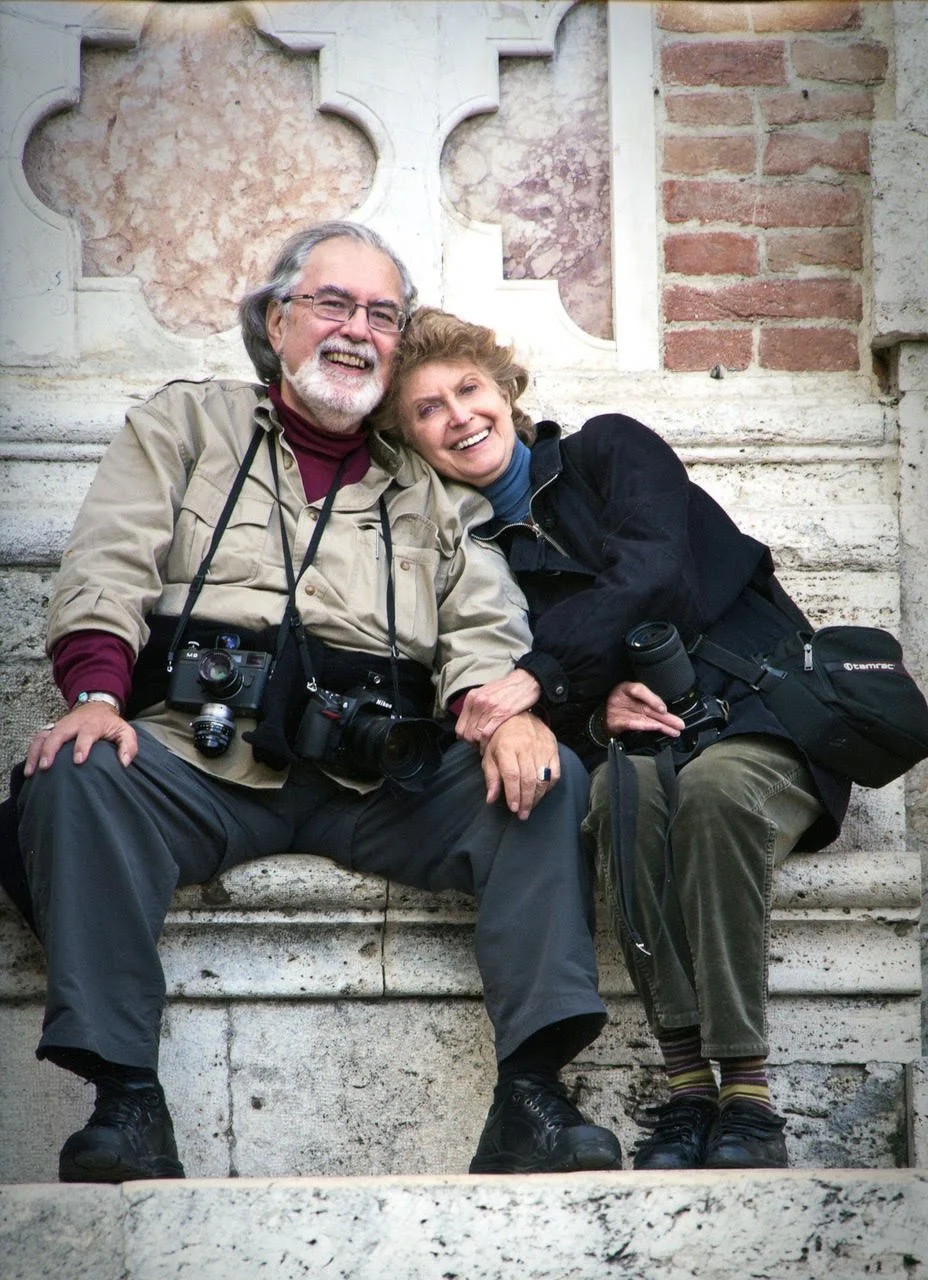
The decision that irrevocably changed my life was to give up daily journalism in 1987 after 20 years as a reporter and editor in The New York Daily News Washington Bureau. With my life in wonderful flux, and the paper facing existential uncertainty, I engineered my own buyout to become, at age 41, a full-time freelance photographer with my new wife and professional partner, Judith Goodman.
In practical terms, that meant making what I jokingly called “lawyer money” jointly shooting more than 600 weddings over the next two decades. But, more important, that also led to books; that led to teaching; that led to my photography column in the Washington Post; as well as to us leading photography workshops in Maine, Venice and Umbria.
And that doesn’t even cover our commercial work, traveling the country, shooting album covers, photographing under the big top for Ringling Bros., doing a nationwide series of ads for the postal service and shooting for myriad magazines both here and in Europe.
I’d still be writing 10 inches of DC copy every day for the first edition had Judy and I not decided to work for ourselves and experience a much wider world than Washington politics.
Besides marrying Judy, that was the best decision of my life.
But it did not happen overnight. One does not easily leave a job writing for the Daily News, that the late, great Pete Hamill once said was “like playing for the Basie Band.”
I was hired by the News as an editorial trainee and began work on June 19, 1967, literally one week after graduating from CCNY, where I had been editor of the school’s oldest newspaper, The Campus, as well as a photographer for the yearbook.
Nowadays, college kids pile on extracurricular credits working at everything from soup kitchens to startups. Channeling Mother Teresa and Steve Jobs, they hope to show their wide-ranging appeal to potential employers.
I had none of that—in fact I barely graduated having spent so much time on The Campus. But while in school, besides being editor of the paper, I also had been a nightside copyboy on the New York Post, as well as a lobster shift copyboy/newsclerk /stringer for the old Herald Tribune during the glory years of Tom Wolfe and Jimmy Breslin. Bottom line: I already was in the business—and once I was in the door at the Daily News, I made it my goal never to leave.
In almost any office, you can distinguish the self-starters from those who are just there for a paycheck. I was the former; I literally could not believe that I was being paid—$125 a week!—to be a reporter (i.e., someone who’s paid to be curious—read: nosy—then write a story about it.) Emerging from our little office just off the seventh-floor city room, I would bug damn near every head of every section of the paper for something to do. When they had nothing, I’d pitch stories, and so wound up over the course of the next five months writing about everything from the frantic food and beer vendors at Yankee Stadium to riot cops trying to hold it together during a hot summer in Harlem.
I loved it, and after five months I was sent down to Washington for a three-month tryout that lasted 20 years. When I left in 1987 I was the Washington Bureau news editor.
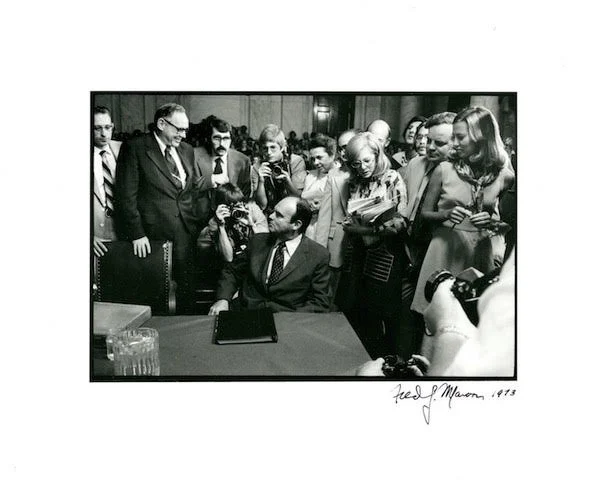
That period from 1967-1987 was a hell of a time to be a reporter. In 1968 at age 21, I was the News’ junior man at both political conventions—Richard Nixon’s staid, all-white coronation in Miami with Spiro Agnew, followed immediately by riots, tear gas and stink bombs at the Democrats’ goat rope in Chicago.
I covered Watergate and broke a ton of stories—you think it was just Woodward and Bernstein?—as well as Vietnam War protests all over the country, and the NYC fiscal crisis that spawned one of the greatest front page headlines ever: FORD TO CITY: DROP DEAD—on top of my story. Through all this, I honed my skills as a deadline writer and got a reputation for punchy ledes.
But things change—and one of them was the News’ financial health. Once boasting more than twice the circulation of any paper in the United States, the paper now was struggling. Our owner, the Tribune Company, put us up for sale.
It was time to leave. The signs had been growing: travel budgets were growing much tighter. You can’t do your job as the national political correspondent just working the phones. The job was made for shoe leather journalism and being there. Management tried gamely to increase our circulation by putting out an additional afternoon version of our once-mighty morning paper, called “Daily News Tonight.”
But despite New York’s promises, all the PM paper’s existence did was force us to work two news cycles, not one—and with not a penny more in the paycheck.
Morale at the paper plummeted. It also didn’t help that during this time I also happened to be working seven days a week. Judy and I married in 1984 and had been shooting weddings seriously since ’82. That meant I worked Monday through Friday covering news, then Saturday and Sunday shooting weddings.
So on my 20th anniversary with the paper in 1987, and after what I had to admit had been a hell of a run, I put in my notice.
With the ’88 presidential campaign looming, it was in the paper’s interest to replace me asap. Better that I leave sooner rather than later, the bosses said. “Great, let’s talk,” I said. All went smoothly—I even negotiated a “farewell tour,” an overnight in the city when I had drinks with the guys on the National Desk.
Hard to believe but that was nearly 40 years ago.
We haven’t shot a wedding in about 15 years—hoo boy, that’s a younger person’s game—but continued our commercial and editorial work. That eventually gave way to our books and our workshop teaching. Today, Judy is an award-winning assemblage sculptor and I still teach, but only in the DC area.
We’re not complaining—in fact, we’re damn grateful we’ve been so lucky because of one decision I made 39 years ago.
Frank Van Riper has done a lot of stuff: www.GVRphoto.shop