

This is another in our series on seemingly small decisions that have significantly changed our lives. For previous installments, see here, here, here, here and here.
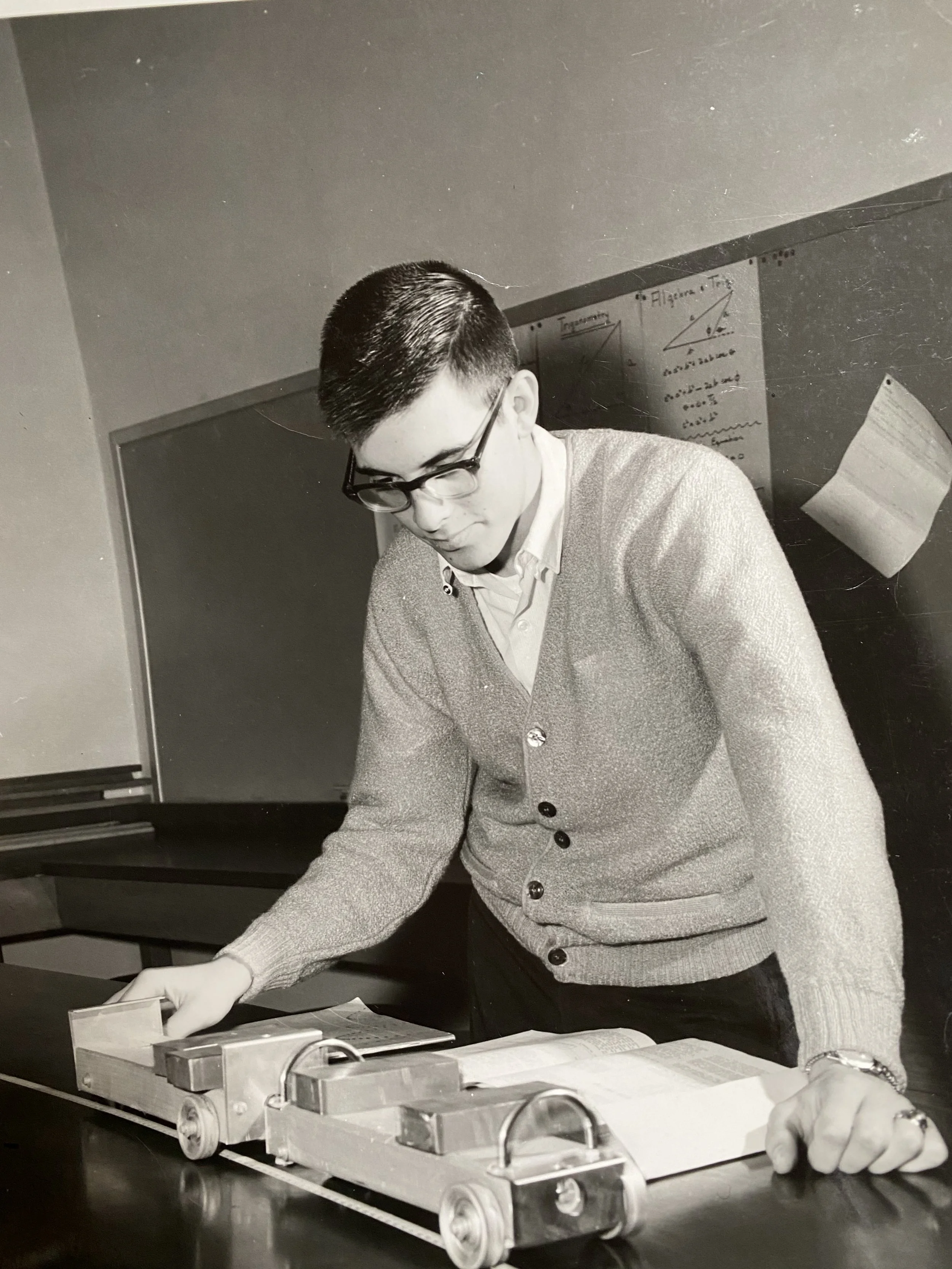
Five decades ago, I had just finished my undergraduate work at the Massachusetts Institute of Technology. I left with a degree in urban studies and planning. having switched my major from chemical engineering, sparked by an eye-opening realization of how the history of land development in Boston had helped define the character of that place. And how cities in general had evolved to become what they are today. And how they can be improved.
Here’s what happened.
I was having breakfast with a friend at MIT. My education and career interest up until that morning had been focused exclusively on science and math. I had chosen to pursue chemical engineering as my major, and was well along that path.
At breakfast, I asked my friend about his plans for that day. He told me that he would have to leave shortly, because he was signed up for volunteer work at a Head Start center in Boston. I asked him why he was doing that. He responded by inviting me to join him. I did, and here I am.
That morning I worked with preschool children from low-resourced families, in a setting designed to help prepare them for educational opportunities. They lived in a low-income area of Boston, but their homes were within a half-mile of very wealthy neighborhoods.
I began to ask myself questions: How did the city develop in this pattern? What were the forces and influences that established prosperity in one area while leaving other neighborhoods behind? What resources were put in place to support initiatives like Head Start, and what were the best ideas under consideration to help improve the well-being of all city residents?
I started my inquiry, and by the end of that semester I had switched my major to urban studies and planning, and went on to get my Masters degree in city and regional planning at the University of North Carolina at Chapel Hill.
Little did I know the extraordinary impact that the breakfast with a friend would have on me, and how it would influence my 50-year professional career. I was about to be exposed to knowledge and ideas and inspiration that would contribute substantially to my path forward, and to enhancement of the well-being of communities and individuals
So here I am, 50 years later. I look back and offer enormous thanks to my college friend for orchestrating a life-changing encounter for me!